← Blog · 25 July 2026 · Citizenship · Naturalization · Bureaucracy
The German Citizenship Test in 2026: What's Actually On It
The Einbürgerungstest isn't the B1 language exam. Here's exactly what's tested, what it costs, who's exempt, and what changed since 2024.
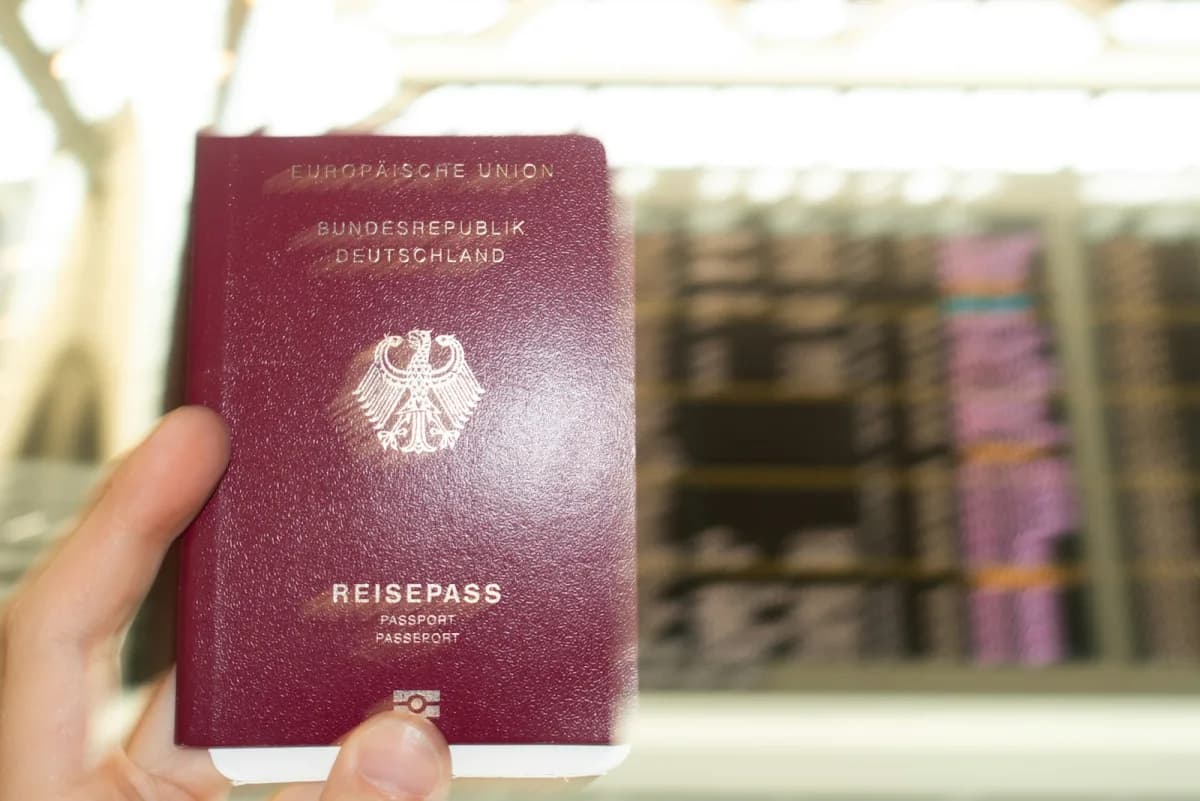
If you're preparing for German citizenship, it's easy to assume the hard part is the B1 language exam and the test is a formality bolted on afterward. It isn't. The Einbürgerungstest, officially the "Leben in Deutschland" (Life in Germany) test, is a separate, required exam on German law, history, and society, and it's graded on its own pass/fail line. Here's what's actually on it, what it costs, who skips it, and what's changed in the question pool since 2024. (BAMF)
What the test actually checks
The Leben in Deutschland test is multiple choice, and every question has exactly one correct answer out of four options. The subject matter splits into three general areas: "Leben in der Demokratie" (life in a democracy), "Geschichte und Verantwortung" (history and responsibility), and "Mensch und Gesellschaft" (people and society). On top of those sits a set of questions specific to the German state (Bundesland) you live in. Think election systems, federal structure, basic rights, and enough 20th-century history to know why certain things in German law look the way they do. (BAMF)
The full question pool behind it is public. BAMF publishes an interactive catalogue of 300 general questions plus 10 state-specific questions for each of Germany's 16 Bundesländer, and every applicant can study the exact bank the real exam is drawn from; there's no secret question set to guess at. (BAMF)
Test day, in numbers
On the day itself, you get a test booklet with 33 questions (30 pulled from the general pool, 3 from your state's) and 60 minutes to answer them. You need at least 17 correct to pass. The test costs 25 euros, paid to the Volkshochschule or other provider running the session, and you get a certificate showing your result. There's no cap on retakes if you don't pass, but you pay the fee again each time. (BAMF)
Two groups skip the test entirely: anyone who holds a German school diploma (a strong signal you already absorbed this material in school), and anyone who can't take it because of a physical, mental, or age-related condition, verified case by case. Everyone else needs to pass it as part of the naturalization application, alongside the residence-time and B1 language requirements our citizenship timeline guide walks through. (BAMF)
The questions that got added after 2024
If you last looked at this test before 2024, the content has moved. Since March of that year, the general question pool includes roughly ten new questions specifically on Jewish life in Germany, Israel's right to exist, and antisemitism, added in direct response to the rise in antisemitic incidents following October 7, 2023. One sample question, cited by German legal outlets covering the change, asks what Germany's special responsibility toward Israel is based on; the correct answer is Germany's Nazi-era crimes, not EU membership or any other option on the list. (LTO, Legal Tribune Online)
This isn't a side note bolted onto an otherwise unrelated test: it reflects a real requirement now written into the naturalization law itself.
The legal declaration behind the questions
Section 10 of the Staatsangehörigkeitsgesetz (StAG), Germany's citizenship law, requires every naturalization applicant to sign a declaration (Bekenntnis) affirming commitment to the free democratic basic order of Germany's constitution and to Germany's "special historical responsibility for the National Socialist tyranny and its consequences." That declaration explicitly covers the protection of Jewish life in Germany, peaceful coexistence between peoples, and rejection of wars of aggression. The law states plainly that antisemitic, racist, or otherwise inhuman acts are incompatible with the dignity guarantee at the core of the constitution, and someone who currently supports extremist causes that reject this order cannot make the declaration at all. (Staatsangehörigkeitsgesetz § 10)
So the antisemitism and Israel questions on the citizenship test aren't an isolated addition: they're the knowledge layer sitting underneath a signed legal commitment every applicant makes as part of the same application.
Where this fits in your citizenship timeline
The Einbürgerungstest is one requirement among several, alongside years of legal residence (five years under the standard route since the 2024 reform), a B1 German certificate, financial self-sufficiency, and a clean record. It's usually one of the easier ones to knock out early, since it doesn't depend on how long you've lived in Germany. Many applicants take it as soon as their German is solid enough to read the questions comfortably, well before the rest of their residence-time requirement is even met, so it's off the list by the time they're ready to file.
How to actually prepare
Because the full 310-question bank (300 general plus your state's 10) is public, prep is mostly repetition rather than guesswork: work through the official catalogue, retake practice rounds until the historical and civics questions stop feeling unfamiliar, and don't skip the newer antisemitism and Jewish-life questions just because they're a small slice of the pool; at 17-of-33 needed to pass, a handful of unfamiliar questions is enough to cost you a retake fee. Comfortable German reading makes the whole process faster, and if you're still building toward B1 for the language side of naturalization, our B1 German for citizenship guide and free level test are a reasonable place to gauge where you stand before you commit to a test date.
Related on Ankommo
Figures verified against the official BAMF pages and the Staatsangehörigkeitsgesetz as of July 2026. State-specific question details and local test-center procedures can vary, so check with your local Volkshochschule or Ausländerbehörde before booking.
Frequently asked questions
Is the Einbürgerungstest the same as the B1 German exam?+
No. They test completely different things and you need to pass both. The B1 exam checks your German language ability. The Einbürgerungstest checks your knowledge of German law, history, and society, and outside a few integration-course combos it's taken separately, usually in German at a testing center run by an adult education provider (Volkshochschule) on behalf of the BAMF.
What happens if I fail the citizenship test?+
You can retake it as many times as you need to (there's no limit), but you pay the 25-euro fee again each time. The Ausländerbehörde won't approve your naturalization application until you've passed, so most applicants take the test well before submitting the rest of their paperwork rather than treating it as a final step.
Do I need to answer the new questions about Israel and antisemitism specifically?+
You need 17 of the 33 questions on your test day right; you don't need to get every category correct. But since these are drawn from the shared 300-question general pool, at least one of your 30 general questions could reasonably come from that set, so skipping it in your prep isn't a safe bet.
Sources

Guide by
Abdullah
Creator of Ankommo · Based in Germany
I moved to Germany and built Ankommo to help others navigate the same process I went through. We offer 1-on-1 video consultations on visas, Ausbildung applications, citizenship requirements and settling in.
Book a 1-on-1 consultation